

Why Early Childhood Sport Infrastructure Deserves Private Capital
In most communities, investment follows visibility.
- Property
- Retail
- Technology
- Scalable financial returns
Very little flows into early childhood sport infrastructure.
Yet that is where confidence is built — or lost.
By age seven:
- Movement patterns are formed
- Confidence foundations are set
- Social behaviours are shaped
Miss this window — and the catch-up cost is far higher.
The Window Most People Miss
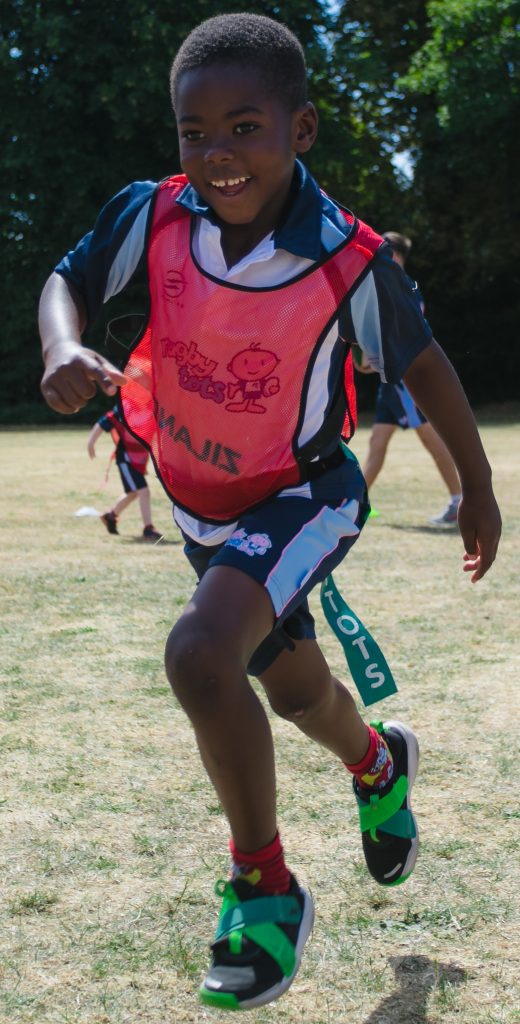
By the age of seven
- Movement literacy is largely formed
- Social confidence patterns are embedded
- Team behaviour begins stabilising
- Participation habits are either installed — or absent
Miss that window, and the catch-up cost is far greater.
We see the downstream effects at 14, 18 and 25 — but the foundation was laid much earlier.
Early years are not a soft intervention.
They are structural.
The Pilot — Northern KZN
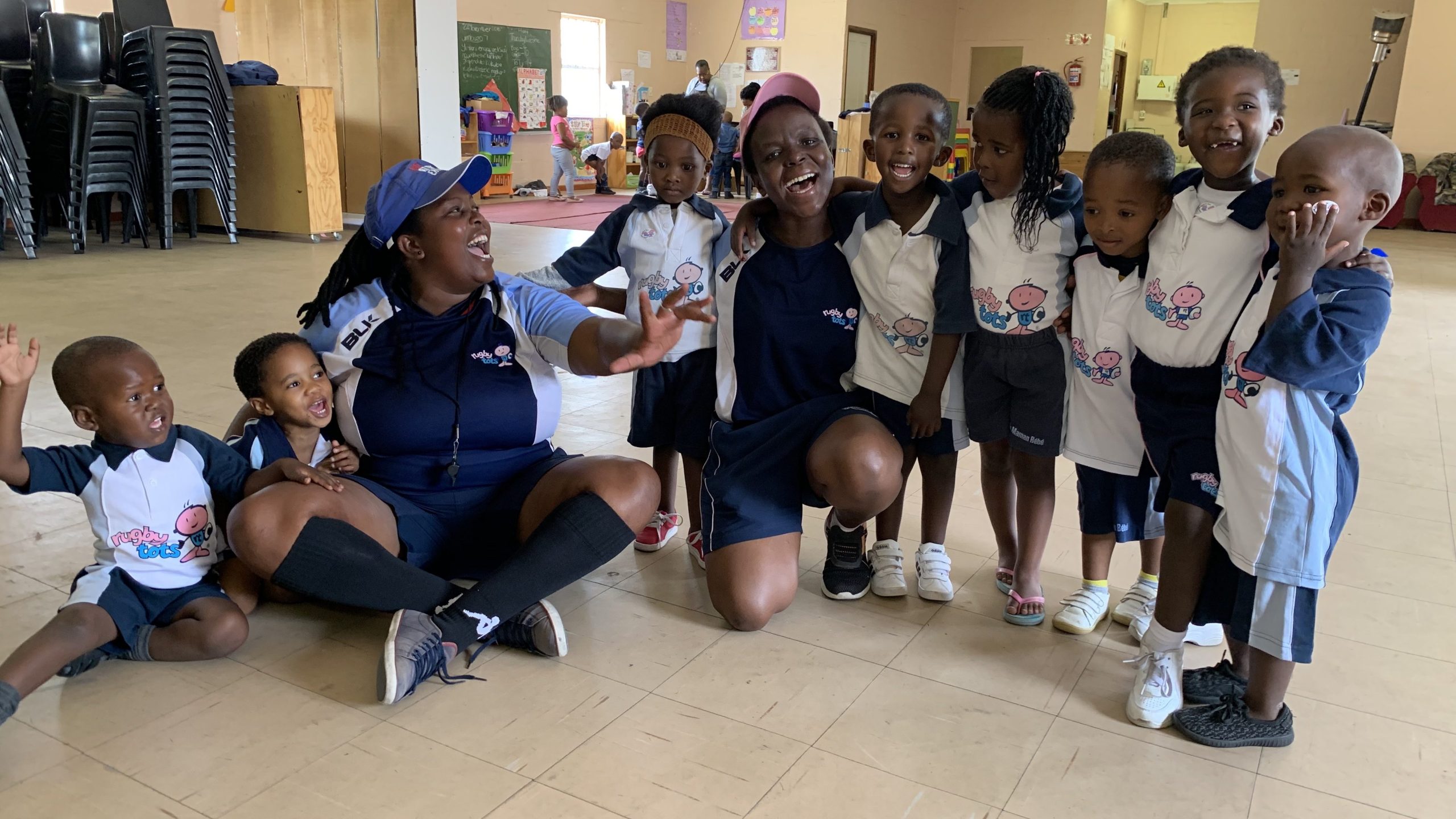
The Rugbytots “Black Rock” initiative is a structured 18-month pilot focused on children aged 2–7 in an under-resourced rural area of Northern KZN.
The objective is simple…
Deliver structured, professionally governed early-years sport access at scale — and test a replicable rural blueprint.
Target Outcomes:
- 200–400 children reached
- 2–5 local coaches trained and certified
- Structured reporting and accountability standards
- A scalable activation model
- Children aged 2–7
- ±400 children within a 10km radius
- First exposure to organised sport
- Development of confidence, coordination and teamwork
This is not a pop-up initiative.
It is a brand-backed, curriculum-driven, operationally governed rollout.
The Reality
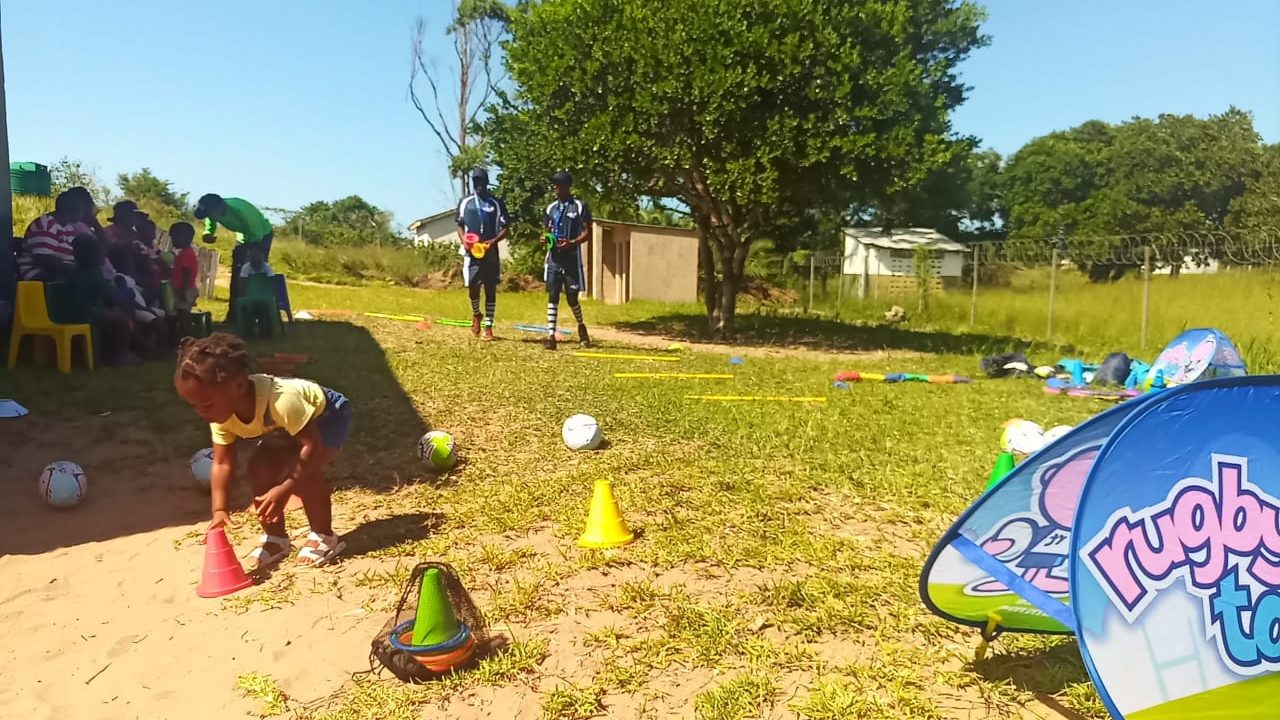
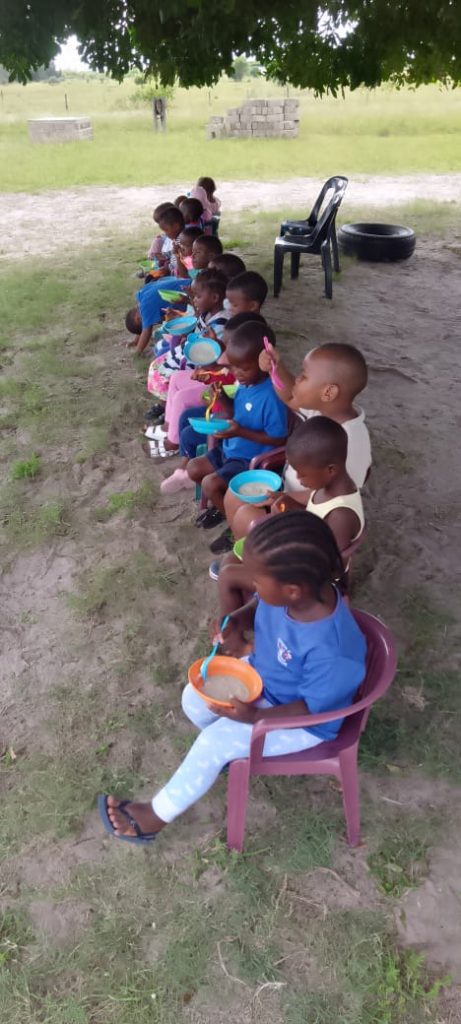
Black Rock has hundreds of young children with limited access to structured early-years sport.
This is not just sport.
This is developmental infrastructure at the most formative age window in a child’s life.
The Capital Requirement
Activation Capital Breakdown
Categories to execute
- Programme license, equipment and systems
- Local operations and delivery
- School infrastructure stabilisation
This includes
- Full coach equipment
- Training and certification
- Community coordination
- Monitoring and governance
- Infrastructure improvements
- Structured rollout systems
- Support. Ongoing.
Majority of capital remains within the community.
This is capital deployment — not consumption spending.
What The Cost Means Per Child
Across the pilot period, this translates to approximately:
± R1,200 per child per year
That’s
- R100 per month
- R25 per week
- Less than a takeaway meal
For that, a child receives:
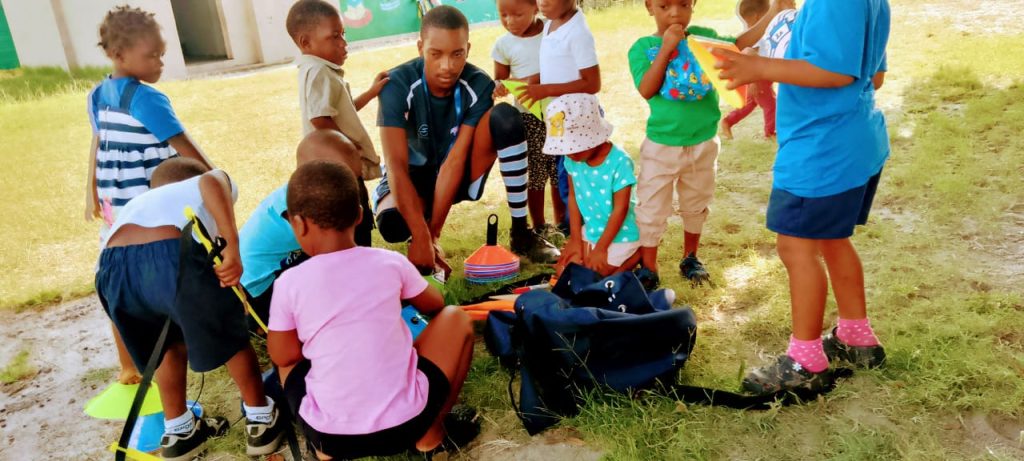
- Weekly structured sport sessions
- Certified coach engagement
- Confidence development
- Physical literacy foundation
- Positive team identity exposure
This is preventative infrastructure.
Not repair work.
Why This Model Is Different
Most charitable models operate on goodwill.
Most government models move slowly.
This model operates with:
- Professional governance
- Brand accountability
- Structured curriculum
- Clear review milestones
If executed well, it scales.
If executed poorly, it stops.
That discipline protects both impact integrity and capital credibility.
The Real Return
The financial ROI is limited.
The generational ROI compounds.
Children who begin confident at four do not require fixing at fourteen.
Coaches trained locally create employment pathways.
Communities exposed to structure begin to expect it.
That is leverage.
The Capital Question
Private capital builds malls and apartment blocks without hesitation.
Should it also build early childhood confidence systems?
Or is that someone else’s responsibility?
If aligned, the detailed five-year sustainability model and full operating framework are available on request.
Contact Steed.
Steed Richardson
Director | Owner Rugbytots South Africa
steed@rugbytots.co.za
+27 79 410 1728
This entry was posted on 24th February 2026.